
Lower heating and cooling bills
Insulated cavities slow heat transfer through walls, so your heater and air conditioner run less often. Most homeowners notice the difference in their next energy bill.
Hampton Park Wall Insulation
Cavity wall insulation for Hampton Park homes stops winter heat loss through brick veneer and double brick walls. We inspect, drill and fill cavities with bulk material to improve thermal resistance without damaging your home.
Share your details and Expert Insulation Melbourne will contact you about Cavity Wall Insulation in Hampton Park.
Cavity wall insulation fills the gap between the inner and outer leaf of brick veneer or double brick walls with insulating material. In Hampton Park, many homes built from the 1960s onwards have uninsulated cavities that let winter heat escape and summer heat enter. We inject loose-fill or foam insulation through small holes drilled in the mortar, then patch and colour-match the entry points so they are barely visible.
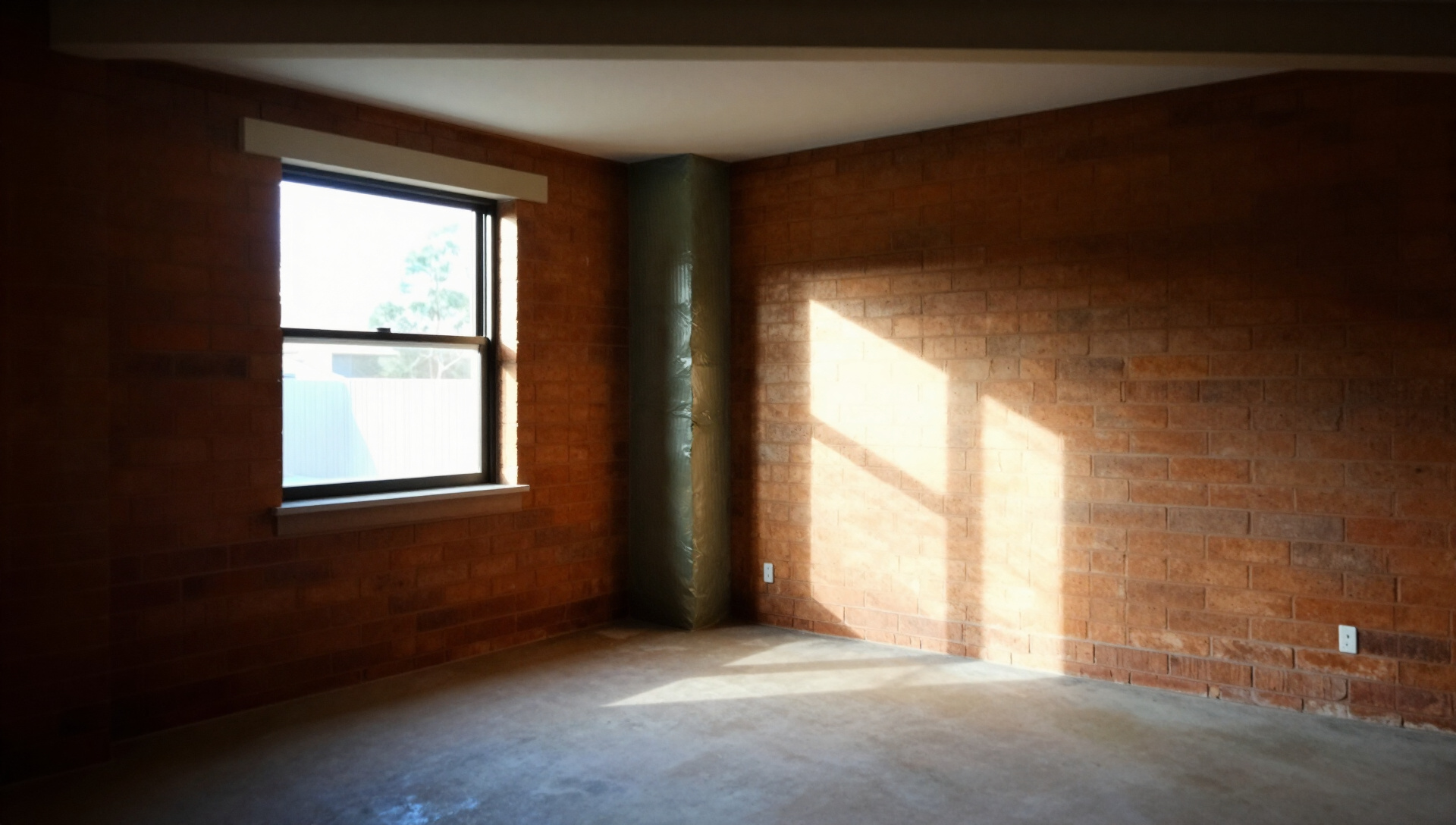
Hampton Park’s cold winters and hot summers make uninsulated wall cavities a major source of energy loss. Filling these gaps cuts heating and cooling costs, evens out indoor temperatures and reduces condensation risk on internal walls.
Insulated cavities slow heat transfer through walls, so your heater and air conditioner run less often. Most homeowners notice the difference in their next energy bill.
External walls stay warmer in winter and cooler in summer, reducing cold spots near windows and doors and making rooms more comfortable.
Insulation in the cavity raises the surface temperature of internal walls, which lowers the risk of condensation forming behind plaster or on window frames.
The process is done from outside, so there is no need to remove gyprock or wall linings. We work in sections and clean up each day.
Brick veneer and double brick homes in Hampton Park can be retrofitted without altering the wall’s appearance or structural integrity.
Quality cavity insulation does not settle or degrade over time, maintaining its R-value and thermal performance for the life of the building.
We start with a thorough inspection to confirm your wall type and cavity width, then proceed with a clean, efficient installation that leaves your home looking the same as when we arrived.
We check the wall construction, cavity width and condition. Not all walls are suitable, especially if there is moisture damage or no cavity. If old insulation is present and may contain asbestos, work stops until a qualified assessor inspects it.
Small holes are drilled in the mortar joints at regular intervals, usually every 600 to 800 mm. We plan the pattern to ensure full coverage and minimal visual impact.
We use a hose to blow loose-fill insulation or inject foam into the cavity from the bottom up, ensuring the material fills the space evenly without gaps or voids.
The access holes are filled with matching mortar and colour-matched to your existing brickwork. Once dry, the only sign of the work is a slight texture difference that fades over time.
Hampton Park has a mix of brick veneer and double brick homes built from the 1970s onwards, many with uninsulated wall cavities. These homes often feel colder in winter because heat escapes through the outer leaf of brick. Cavity wall insulation is a cost-effective way to improve thermal performance without major renovations. Nearby suburbs like Lynbrook and Narre Warren South share similar housing stock and climate exposure, making cavity insulation a practical upgrade for the area.
Stop heat loss through uninsulated brick walls in Hampton Park with cavity wall insulation installed from outside your home.
Homeowners in Hampton Park often ask about suitability, cost factors and how long the work takes. Here are the answers to the most common questions.
Cavity wall insulation in Hampton Park targets the hidden gap in brick veneer and double brick walls that lets heat escape in winter and enter in summer. Many homes in this suburb were built without insulation in the cavity, relying only on the brick and plaster for thermal resistance. Filling this space with bulk material improves the wall’s R-value, reduces energy bills and makes rooms more comfortable year-round.
The process is non-invasive and done from outside, so there is no need to remove internal wall linings or disrupt your household. We drill small holes in the mortar, inject the insulation and patch the holes to match your existing brickwork. The work typically takes one to two days for an average home, depending on the number of walls and cavity width.
Not all walls are suitable for cavity insulation. We check for moisture issues, structural integrity and the presence of old insulation that may need removal first. If asbestos is suspected, work stops until a qualified assessor confirms it is safe to proceed. For Hampton Park homes with suitable cavities, this is one of the most effective ways to cut heating costs and improve comfort.
Reduce heat loss and energy bills with cavity wall insulation installed by Expert Insulation Melbourne. We service Hampton Park and surrounding suburbs with professional, reliable work.